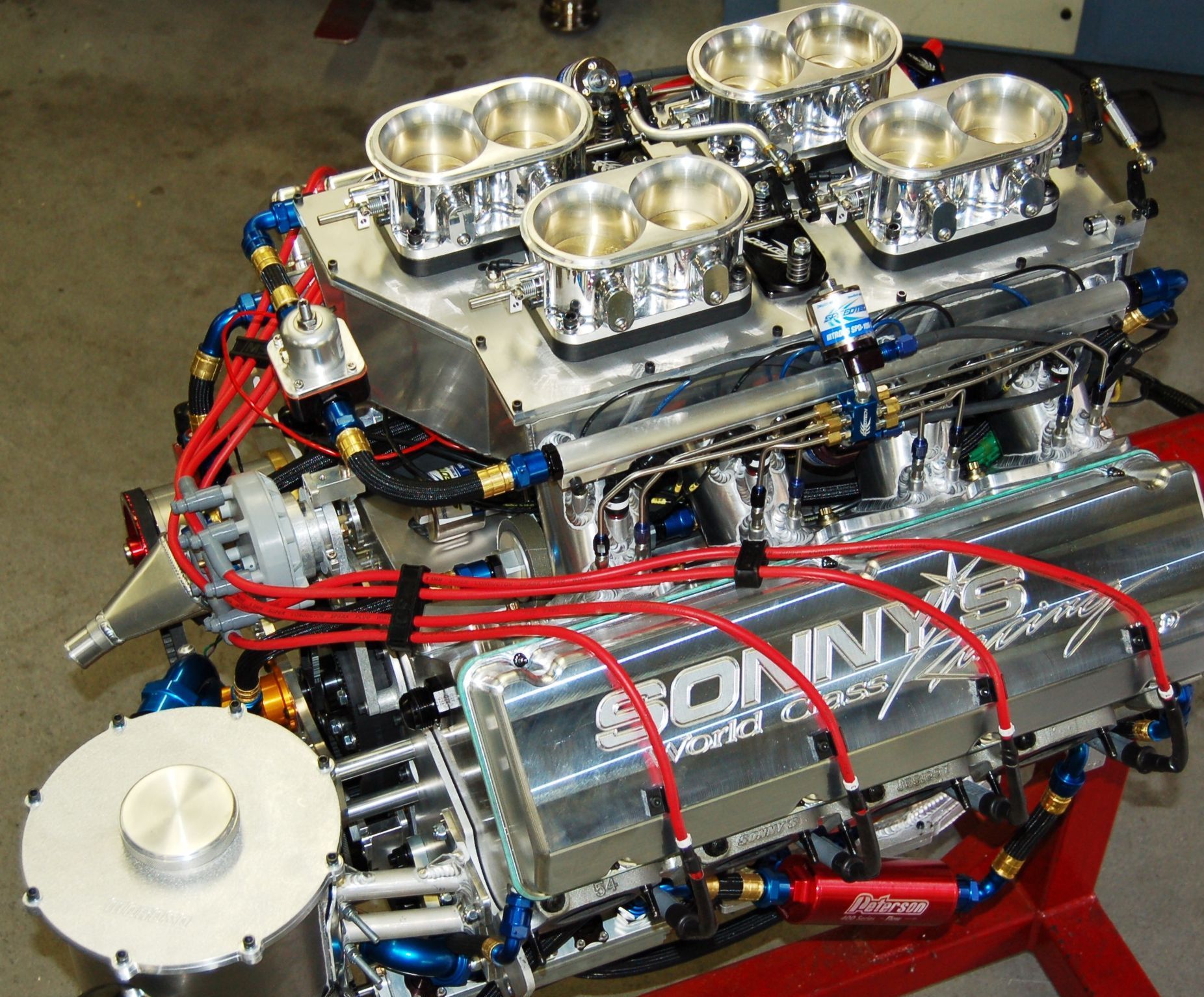
Is Your Nitrous System Installed Correctly? Signs You Need Professional Tuning
January 28, 2026

Nitrous systems promise instant power, thrilling acceleration, and a competitive edge — but only when they’re installed and tuned correctly. A poorly configured nitrous kit can do far more harm than good, leading to engine damage, drivability problems, and costly repairs. Whether you’re new to performance upgrades or experienced in racing, knowing how to recognize issues early can save time, money, and your engine. Because nitrous doesn’t forgive misunderstandings or shortcuts, understanding installation integrity and safe tuning is essential. One overlooked detail can snowball into catastrophic failure once the system is activated. Learning what to look for now helps prevent mistakes that many drivers only recognize after it’s too late.
Today’s performance world is more advanced than ever. Engines are tighter, electronics are smarter, and tolerances are far less forgiving. That makes nitrous systems incredibly effective — but also incredibly precise. As more drivers add power adders, the need for expert tuning and inspection continues to grow. If you’ve ever asked, “Did I install this right?” or “Why doesn’t it feel right when I hit the button?”, this guide walks you through the real signs your setup needs attention, how tuning protects your investment, and when it’s time to trust a professional. With proper guidance, nitrous becomes reliable, repeatable, and far safer. The goal isn’t just making power — it’s making power that lasts.
1. Understanding How Nitrous Works — And Why Installation Precision Matters
The Science Behind Nitrous
Nitrous oxide increases oxygen availability, allowing more fuel to burn and producing more power. When delivered correctly, the result is controlled power gains. When delivered incorrectly, cylinders run lean, detonation occurs, and engine failure happens fast. That’s why nitrous isn’t just a “power button” — it’s a chemical process that must be balanced carefully. Even small miscalculations compound quickly once the system is under load.
Why “Close Enough” Isn’t Good Enough
Nitrous systems require harmony between:
- Fuel delivery
- Bottle pressure
- Solenoid timing
- Jet sizing
- Ignition timing
- Engine condition
Even minor mistakes — loose fittings, uneven jet sizing, wiring shortcuts — can create catastrophic results. The installation isn’t “just hardware.” It directly affects combustion. Precision ensures every part works together instead of fighting against the engine. When one element is off, the entire system becomes unpredictable.
Real-World Scenario
A driver installs a wet kit using online advice. The jets are mismatched. The first pull feels strong — the second melts a piston. A professional tuner would have caught the imbalance in seconds. What looked like “cheap horsepower” instantly turned into an expensive rebuild. This is the difference between trial-and-error and data-driven tuning.
2. Common Installation Mistakes That Quietly Destroy Engines
Incorrect Jetting and Fuel Mix
Running too lean is the fastest path to engine damage. Incorrect jets or “guess tuning” leads to detonation, overheating, and broken ringlands. Lean conditions snowball quickly, especially at higher RPM where cylinder temps skyrocket. By the time symptoms show, internal damage may already be done.
Red Flags:
- Pinging or rattling under load
- Spark plugs turning white or blistered
- Excessive engine heat
Poor Wiring and Switch Placement
Nitrous should activate only at the right RPM, throttle position, and load. Sloppy wiring or unsafe switch layouts increase the risk of accidental activation. A single accidental spray at idle can destroy bearings and pistons instantly. Wiring isn’t where shortcuts belong — reliability matters.
Watch for:
- Nitrous activating at idle
- Button sticking
- Relays overheating
No Window Switch or Safety Integrations
Safety devices such as window switches, fuel pressure safety switches, and wideband O2 monitoring are not optional. They are safeguards against catastrophic timing. Without them, you’re relying on luck instead of engineering. One failure at the wrong moment can take out the entire engine.
Best Practice:
If your nitrous turns on without throttle or RPM control, the system is unsafe. Correcting this early prevents costly — and avoidable — damage.
3. Signs Your Nitrous System Needs Professional Tuning
Loss of Power Instead of Gain
Nitrous should increase acceleration immediately. If power drops, tuning is off. Possible causes include fuel delivery problems, sensor errors, or timing conflicts. Continuing to spray while “hoping it clears up” only risks further damage.
Possible causes:
- Incorrect ignition timing
- Improper AFR (air-fuel ratio)
- Weak fuel pump
- Incorrectly positioned nozzles
Engine Misfires or Hesitation
Misfires mean combustion isn’t balanced. Continuing to spray only magnifies damage. What starts as a small stumble can turn into cracked pistons or bent rods. Always diagnose before hitting the button again.
Check Engine Light or Codes
Modern ECUs detect abnormalities, pulling timing and reducing performance. Ignoring codes while spraying nitrous is dangerous. Those warnings are telling you something isn’t right — and the ECU can’t protect the engine from everything.
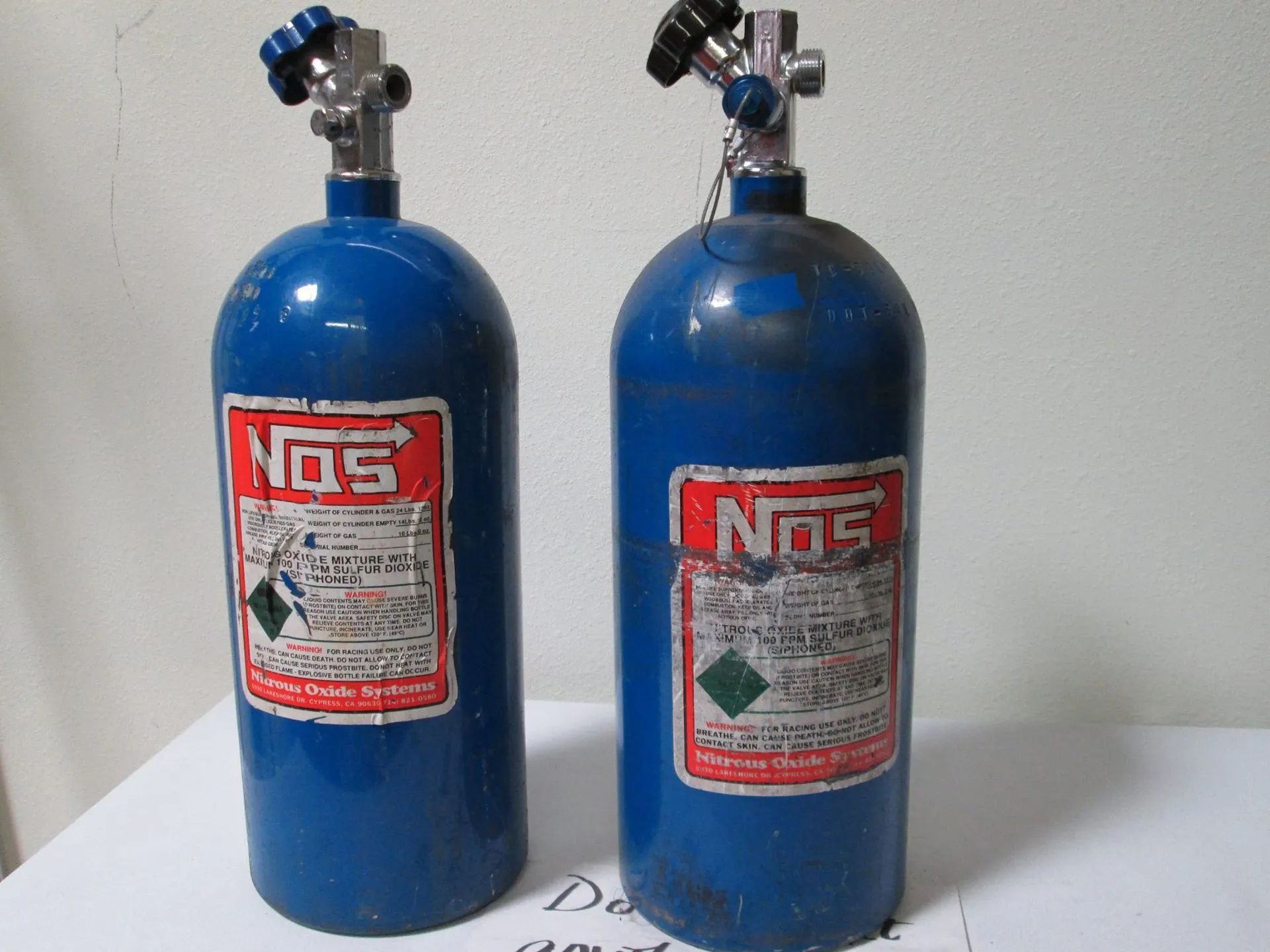
Bottle Pressure Problems
Too low: weak hit and inconsistent performance.
Too high: risk of lean conditions and solenoid damage.
A tuned system ensures pressure stability and safe power delivery. Proper heaters, gauges, and regulation keep your setup predictable every time you spray.
4. Why Professional Tuning Protects Your Engine and Investment
Dialed-In Fueling
A tuner matches nitrous delivery with fuel volume and injector capacity, preventing dangerous lean runs. They verify pressure, flow, and fuel quality instead of guessing. This creates consistent, repeatable performance under load.
Optimized Ignition Timing
Nitrous demands specific timing adjustments. Too much advance equals detonation. Too much retard equals lost power. Professional tuners know how to balance power with safety across different RPM ranges and shot sizes.
Data Logging and Diagnostics
Professionals rely on widebands, plug readings, and ECU logs rather than guesses — ensuring every pass is repeatable and safe. Data exposes problems before they become failures, saving time and money.
Real-World Example
A customer complains about “weak nitrous hits.” Diagnostics show the fuel pump drops pressure at wide open throttle. Fixing the pump prevents a future engine meltdown. What seemed like a tuning issue was actually a mechanical weak point waiting to fail.
5. Best Practices for Safe Nitrous Operation
Use Quality Parts
Cheap components fail. Solenoids stick, lines rupture, and fittings leak. Always choose race-proven equipment. Spending a little more upfront is cheaper than rebuilding an engine later.
Follow Maintenance Intervals
Nitrous systems require ongoing inspection:
- Replace solenoid filters
- Inspect lines
- Check electrical connections
- Verify bottle condition
Small leaks and clogs often start silently — routine inspections catch issues before they escalate.
Tune for the Fuel You’re Running
Fuel quality changes combustion dramatically. Octane and consistency matter. Never assume pump gas will support every nitrous level. Matching your tune to your fuel type ensures predictable performance and reliability.
Start Small and Build Up
Begin with conservative shots. Confirm plugs, AFR, and timing before increasing. Incremental testing helps reveal weak spots safely rather than discovering them during a full hit.
6. When It’s Time to Stop Guessing and Call a Professional
If You Installed It Yourself
DIY installs can work — but only if verified. A professional review ensures nothing critical was overlooked, especially under real-world load.
If You Hear Engine Knock
Stop spraying immediately. Diagnosis is required. Knock is a warning — and continuing to spray turns a warning into destruction.
If Power Feels Inconsistent
Nitrous should be repeatable. Surging means something is wrong. Consistency means safety — inconsistency means risk.
If You’re Upgrading Other Performance Parts
Cams, headers, compression changes, and forced induction alter tuning needs. Re-tuning protects everything. Each upgrade changes airflow, fuel needs, and timing demands.
Professional nitrous tuning isn’t an expense. It’s insurance against catastrophic loss — and it unlocks the true performance your system was designed to deliver.
A nitrous system is one of the most efficient ways to add power — but only when it’s installed, monitored, and tuned with precision. From proper jetting and wiring to bottle pressure, ignition timing, and safety integrations, every element must work together. The warning signs of trouble rarely start loudly. Instead, they appear as subtle hesitations, unusual noises, inconsistent power, or engine codes. Ignoring them doesn’t save money — it multiplies the risk of engine failure. Professional tuning ensures your setup performs safely, consistently, and to its full potential. Whether you’re a street enthusiast or a serious racer, the smartest move you can make is verifying your system before pushing it harder. A small investment in expert tuning today can prevent major engine repairs tomorrow.
Trusted Performance Specialists Protecting Your Nitrous Setup
For drivers who want confidence, reliability, and proven expertise with nitrous systems, partnering with seasoned professionals makes all the difference. Socal Nitrous And Race Fuels Inc
brings deep technical knowledge, real performance experience, and a commitment to safe, optimized results to every system they touch. Serving enthusiasts and racers from Westminster, California, the team
specializes in nitrous installation
verification, precision tuning, troubleshooting, race-grade fueling guidance, and performance consultation. With more than 15+ years working specifically in nitrous and racefuels, they understand the real-world demands engines face both on the street and at the track. Customers trust their shop because they don’t guess — they diagnose, measure, and fine-tune. Whether you need system inspection, bottle pressure setup, safety upgrades, plug reading, or complete tuning support, Socal Nitrous And Race Fuels Inc
delivers the kind of reliability that protects engines and maximizes performance. When it comes to nitrous, experience matters — and choosing the right specialists ensures every hit is powerful, consistent, and controlled.