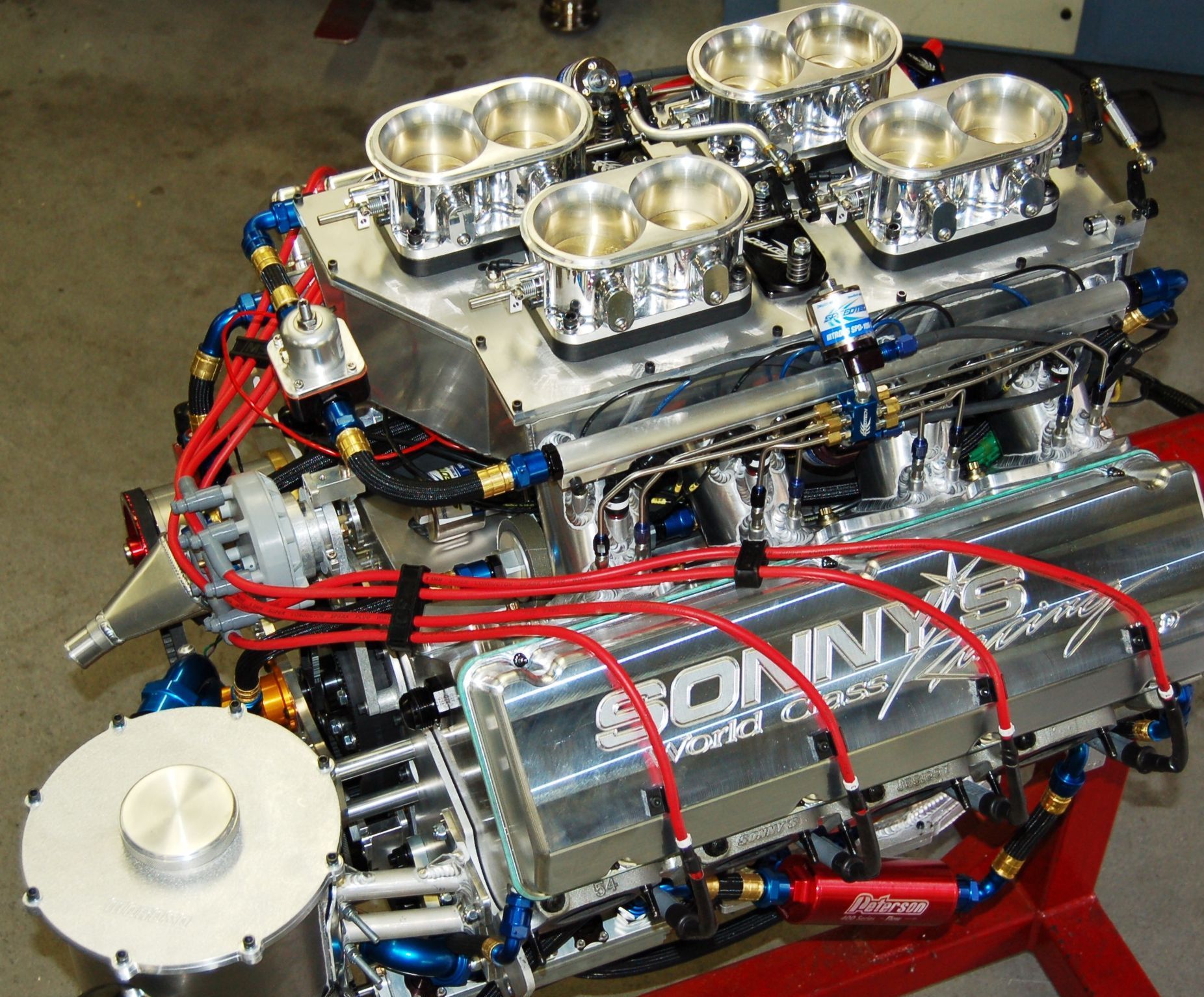
Choosing the Right Nitrous Kit for Your Build: Dry vs Wet Systems Explained
March 21, 2026

For automotive enthusiasts and performance builders, the quest for more power often leads to exploring forced induction options, and one of the most accessible methods to achieve a significant horsepower boost is through nitrous oxide. Nitrous oxide systems provide an instant increase in oxygen, enabling more fuel to be burned and dramatically enhancing engine performance. However, selecting the right nitrous kit for your vehicle isn’t as simple as picking one off the shelf. Understanding the differences between dry and wet systems is crucial to ensure compatibility, reliability, and maximum performance without compromising engine safety. Additionally, the quality of installation, tuning precision, and the specific demands of your engine all influence which system will deliver optimal results. A poorly matched system can reduce performance gains and even cause costly engine damage, making informed decisions essential for any serious builder.
The choice between dry and wet nitrous kits impacts not only horsepower gains but also tuning requirements, fuel delivery strategies, and the overall longevity of your engine. A well-chosen system allows enthusiasts to harness the full potential of their builds while avoiding common pitfalls like engine detonation, lean conditions, or inconsistent power delivery. This guide will break down the technical distinctions, practical applications, and real-world considerations of dry versus wet nitrous systems. Whether you are building a street-driven car, a dedicated drag racer, or a high-performance project, understanding these systems is essential to making an informed decision that aligns with your performance goals and engine setup. Furthermore, evaluating your vehicle’s fuel system, ignition timing, and intended use can make the difference between a safe, efficient setup and one that underperforms or damages your engine. By the end of this guide, you’ll have the knowledge to select the system that maximizes both power and reliability for your specific build.
Understanding Nitrous Systems: Dry vs Wet
What is a Dry Nitrous System?
A dry nitrous system injects only nitrous oxide into the intake manifold, relying on the vehicle’s existing fuel system to supply additional fuel as needed. This setup is simpler in design, typically consisting of a nitrous solenoid, nozzle, and a delivery line, without the need for additional fuel injectors.
Advantages of Dry Systems:
- Simplicity: Fewer components reduce installation complexity and maintenance.
- Cost-Effective: Generally less expensive than wet systems.
- Lightweight Setup: Minimal parts mean reduced weight, which can benefit overall vehicle dynamics.
Challenges:
- Fuel Dependency: The system requires precise fuel system tuning to prevent lean conditions, particularly at higher horsepower levels.
- Limited Fuel Enrichment: Dry kits are most effective for moderate horsepower gains; large nitrous doses can strain the existing fuel delivery system.
Real-World Example: Dry systems are ideal for street cars or mildly modified builds where reliability and simplicity are priorities. For instance, a 400-horsepower naturally aspirated V8 might use a 75-100 horsepower dry shot to achieve noticeable performance gains without extensive modifications.
What is a Wet Nitrous System?
In contrast, wet nitrous systems inject both nitrous oxide and additional fuel simultaneously, often through a dedicated nozzle or a combined nitrous-fuel nozzle. This approach ensures a precise air-fuel mixture during activation, reducing the risk of detonation and lean conditions.
Advantages of Wet Systems:
- Fuel Control:
The system delivers the exact amount of fuel required, even at high horsepower levels.
- Higher Power Potential: Wet systems can support larger nitrous shots safely, making them suitable for racing and heavily modified builds.
- Engine Safety: Precise fuel delivery mitigates the risk of engine knock and pre-detonation.
Challenges:
- Complexity: Installation requires routing both nitrous and fuel lines and often integrating additional fuel injectors.
- Cost: Wet systems are typically more expensive due to extra components and tuning requirements.
- Maintenance: More parts increase the potential for leaks or system failures.
Real-World Example: A turbocharged or supercharged drag car aiming for 1,000+ horsepower will benefit from a wet nitrous system. The combination of precise fuel and nitrous delivery allows aggressive horsepower gains without jeopardizing engine health.
Key Considerations for Choosing Between Dry and Wet Systems
Engine Build and Fuel System Capacity
The first consideration is understanding your engine’s fuel delivery capabilities. Dry systems rely on the stock fuel injectors or fuel pressure to add the necessary fuel when the nitrous system is activated. If your injectors are already near capacity, adding nitrous could create a lean condition and potential engine damage.
Wet systems, on the other hand, provide fuel directly through the nitrous system, reducing reliance on the stock fuel delivery setup. For builds with high-performance camshafts, forced induction, or aftermarket cylinder heads, wet systems often provide safer and more reliable performance.
Intended Use: Street vs Track
The application of your build is another critical factor. Street-driven vehicles benefit from the simplicity and cost-effectiveness of dry systems. They provide a controlled power boost for occasional bursts, such as highway overtakes or spirited weekend driving, without requiring extensive tuning.
Racing or track-focused builds, however, demand consistent and safe performance under extreme conditions. Wet systems shine in these scenarios due to their ability to deliver larger, more controlled nitrous doses. High-stress environments like drag racing or road courses require precise tuning and fuel enrichment, which wet systems provide reliably.
Tuning Requirements and Engine Safety
Tuning is a decisive factor when selecting a nitrous system. Dry systems require careful attention to fuel delivery, spark timing, and ignition maps to prevent lean conditions. While this can be manageable for mild horsepower gains, larger nitrous doses increase the risk of engine knock and detonation.
Wet systems simplify the tuning process in some ways because the fuel is delivered alongside nitrous. However, proper tuning is still essential to ensure the system operates at the correct mixture ratio and doesn’t overwhelm the engine. Professional tuning and dyno testing are highly recommended for both systems, but wet kits offer a wider safety margin for high-performance applications.
Installation and Maintenance Considerations
Dry System Installation
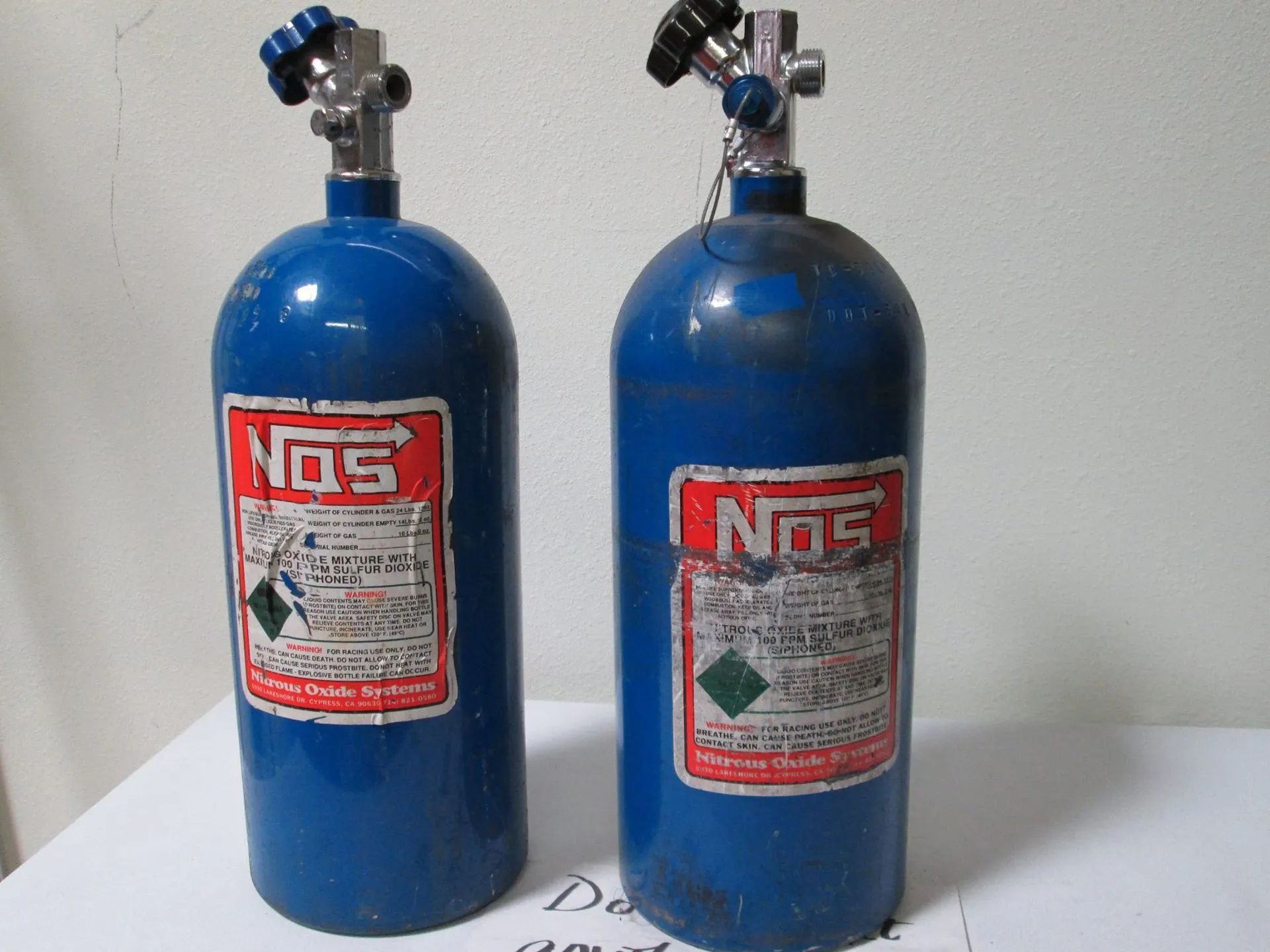
Installing a dry system is generally straightforward. The process involves mounting the nitrous bottle, routing the delivery line to the intake manifold, and installing the solenoid and nozzle. Since no additional fuel lines or injectors are required, installation time is shorter, and the risk of mechanical issues is lower.
Best Practices:
- Use high-quality fittings and hoses to prevent leaks.
- Ensure the solenoid is wired properly and activated with a switch or throttle position sensor.
- Monitor fuel pressure to
ensure the stock system can handle additional demand.
Wet System Installation
Wet systems are more complex. They require routing both nitrous and fuel lines, installing appropriate nozzles, and ensuring that the fuel delivery is consistent across all cylinders. Additional fuel injectors may be necessary for larger setups.
Best Practices:
- Verify that all connections are secure and leak-free.
- Integrate the system with engine management or aftermarket tuners for precise control.
- Regularly inspect lines and nozzles for wear or clogging.
Maintenance Tips for Both Systems:
- Keep nitrous bottles at optimal pressure levels for consistent performance.
- Inspect solenoids, fittings, and hoses before each use.
- Flush and clean nozzles periodically to prevent buildup or blockages.
Expert Advice and Best Practices
Choosing the Correct Nitrous Size
Selecting the appropriate nitrous shot size is critical. Too small, and you underutilize your system; too large, and you risk engine damage. Experts recommend starting with a conservative shot and gradually increasing power while monitoring engine health and performance metrics.
Professional Tuning
Regardless of whether you choose dry or wet, professional tuning is non-negotiable for optimal performance. Experienced tuners can adjust fuel maps, ignition timing, and boost curves (if applicable) to maximize horsepower safely.
Safety Precautions
- Always use high-quality nitrous components to prevent leaks or failures.
- Avoid prolonged use at high nitrous doses without allowing the engine to cool.
- Install safety devices such as pressure relief valves, fuel shutoffs, or wideband oxygen sensors to monitor performance.
Choosing Between Dry and Wet Systems
When deciding, consider these factors:
- Engine Size and Build: Heavily modified engines with high compression often require wet systems.
- Horsepower Goals: Moderate gains are suitable for dry systems, while extreme performance favors wet setups.
- Application: Street-driven cars benefit from simplicity; track-focused cars require precise control.
- Fuel System Capacity: Weak fuel systems may not support dry kits safely.
By evaluating your engine configuration, intended use, and performance goals, you can select the nitrous system that delivers reliable power while preserving engine longevity.
Experienced Team Ensuring Reliable Nitrous System Results
Choosing the right nitrous system is a pivotal decision for any performance build. Understanding the differences between dry and wet nitrous kits allows builders to align their choice with engine design, fuel delivery capabilities, and horsepower goals. Dry systems offer simplicity and cost-effectiveness, ideal for moderate power gains and street applications. Wet systems, while more complex, provide precise fuel enrichment, higher horsepower potential, and increased safety for aggressive builds and racing scenarios. Proper installation, regular maintenance, and professional tuning are critical for both systems to ensure performance, reliability, and engine longevity.
At Socal Nitrous And Race Fuels Inc, we bring over 15
years of experience serving the Westminster, California automotive community. Specializing in nitrous and race fuel solutions, we provide expert guidance, high-quality components, and professional installation to help enthusiasts maximize performance safely. Whether your build requires a simple dry setup or a sophisticated wet system, our team delivers tailored solutions backed by years of hands-on expertise, ensuring your project reaches its full potential while maintaining reliability and safety on every run.