Nitrous Oxide 101: What It Really Does to Your Engine (and Common Myths)
December 30, 2025

For automotive enthusiasts, few performance upgrades generate as much intrigue—and misinformation—as nitrous oxide. Commonly known as "NOS" in car culture, nitrous oxide has earned a reputation for delivering instant horsepower gains, often portrayed in movies and street racing media as a near-magical solution for speed. However, the reality of how nitrous oxide interacts with an engine is far more nuanced. Understanding its effects, limitations, and proper application is crucial for anyone considering this powerful performance enhancer. Misapplication or misconceptions can lead to costly engine damage, making education essential before installation.
Nitrous oxide isn’t inherently “dangerous” when used correctly, but its power demands respect. From increasing oxygen availability during combustion to enabling higher fuel delivery for more power, nitrous oxide is a chemical tool with precise engineering requirements. This guide will break down exactly how nitrous oxide works, debunk common myths, and provide practical advice for performance enthusiasts. Whether you’re a seasoned racer or a weekend tuner, understanding the science behind nitrous oxide can help you make informed decisions, maximize engine performance safely, and separate fact from fiction in a world full of myths and exaggerations.
How Nitrous Oxide Works in Your Engine
The Science Behind the Boost
Nitrous oxide (N₂O) is a simple chemical compound that contains two nitrogen atoms and one oxygen atom. Its primary benefit in an engine is increasing the amount of oxygen available during combustion. When injected into the intake system and subjected to the high temperatures of combustion, N₂O decomposes to release oxygen. This extra oxygen allows the engine to burn more fuel than it could with atmospheric air alone, creating a significant increase in power output.
Enhancing Combustion Efficiency
By increasing available oxygen, nitrous oxide essentially allows the engine to operate with a richer air-fuel mixture. This richer mixture produces more energy per combustion cycle, resulting in faster acceleration and higher horsepower. Importantly, nitrous oxide also has a cooling effect when it vaporizes, reducing intake air temperatures and helping to prevent pre-ignition or detonation—a common engine killer when running high performance setups. Proper calibration is key: too much nitrous without adequate fuel can cause lean conditions, leading to severe engine damage.
Real-World Example
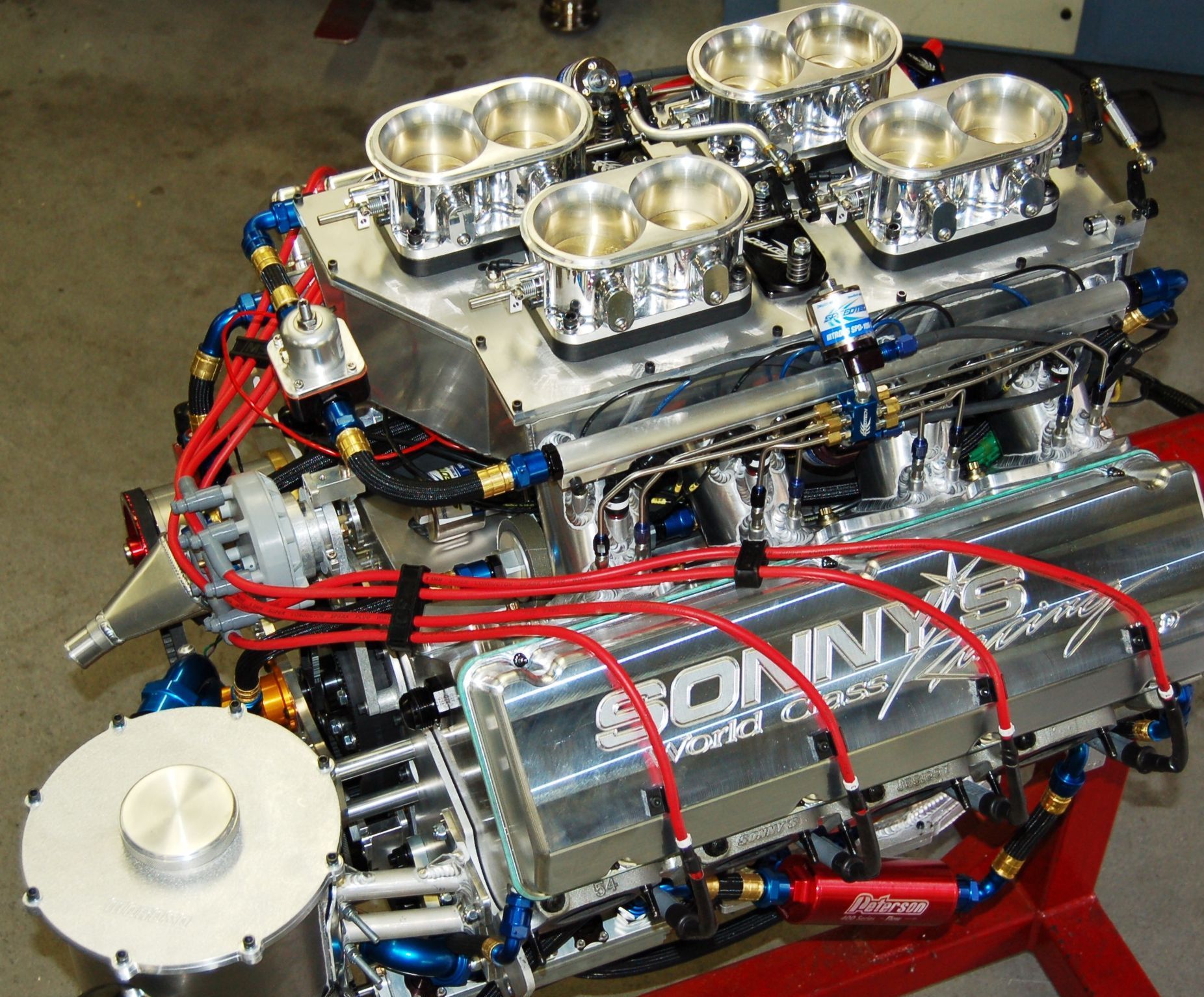
Consider a naturally aspirated V8 producing 400 horsepower. By carefully injecting a nitrous system rated for 100 additional horsepower, the engine can temporarily operate at 500 horsepower. This increase occurs because the nitrous system provides extra oxygen and fuel for combustion without permanently altering engine internals. However, without proper fuel adjustments or timing modifications, the same system could easily cause detonation or damaged pistons.
Common Myths About Nitrous Oxide
Myth 1 – “Nitrous Ruins Engines Instantly”
A pervasive myth in automotive circles is that nitrous oxide will destroy engines immediately. In reality, properly installed and tuned nitrous systems are safe for engines designed to handle additional power. Modern kits come with fuel management systems, progressive controllers, and safety cutoffs to prevent lean conditions or over-pressurization. Engine damage typically occurs when users bypass these safeguards or exceed manufacturer recommendations.
Myth 2 – “More Nitrous Means More Power Automatically”
Another misconception is that adding more nitrous will always increase horsepower linearly. While increasing nitrous flow can theoretically increase power, every engine has limits defined by its internal components, fuel delivery, and ignition system. Beyond a certain point, additional nitrous can overwhelm the engine, causing detonation, melted pistons, or blown head gaskets. Controlled, incremental adjustments yield the best results, ensuring performance gains without risking catastrophic failures.
Myth 3 – “Nitrous Only Works on Race Cars”
Nitrous oxide is often thought to be exclusive to professional racing, but many street-legal enthusiasts safely use properly tuned systems for weekend driving or track days. The key is moderation, responsible usage, and ensuring engine compatibility. Nitrous can be activated on-demand and does not have to run continuously, allowing street vehicles to benefit from short bursts of performance without constant strain.
Types of Nitrous Systems
Wet vs. Dry Systems
Nitrous systems are generally classified into “wet” and “dry” setups. Dry systems inject only nitrous oxide, relying on the engine’s fuel injectors to add extra fuel. Wet systems, on the other hand, deliver a precise combination of nitrous and additional fuel directly into the intake.
Dry System Benefits:
- Easier installation on modern fuel-injected engines.
- Less risk of fuel starvation if properly tuned.
Wet System Benefits:
- More consistent fuel delivery under high-performance conditions.
- Reduces the likelihood of lean combustion at higher nitrous flows.
Choosing the right system depends on engine type, fuel management setup, and performance goals. Many professionals recommend starting with a moderate dry system before upgrading to wet systems for higher horsepower levels.
Single vs. Multiple Stage Systems
Single-stage systems provide a fixed power increase, ideal for beginners or casual performance upgrades. Multi-stage systems allow incremental activation of multiple nitrous jets, providing variable horsepower gains based on engine conditions. Multi-stage systems are more complex but offer better control, efficiency, and safety for engines capable of handling higher loads.
Best Practices for Using Nitrous Oxide Safely
Fuel and Ignition Considerations
Proper fuel delivery is critical when using nitrous. Lean conditions are the most common cause of nitrous-related engine failures. Using high-octane fuel, upgrading fuel pumps, and adjusting injector timing ensures that engines receive adequate fuel to match the increased oxygen. Similarly, ignition timing must be carefully managed. Advanced timing can cause pre-ignition, while retarded timing may reduce power. Many tuners rely on nitrous controllers with built-in timing retard features to automate these adjustments safely.
Progressive Nitrous Controllers
Progressive controllers regulate nitrous delivery to gradually ramp up power rather than engaging the full system instantly. This reduces stress on engine components and provides a smoother power curve. For instance, instead of a sudden 150-horsepower surge, a progressive system can increase power in 10–20% increments, minimizing the risk of detonation or mechanical failure.
Monitoring and Maintenance
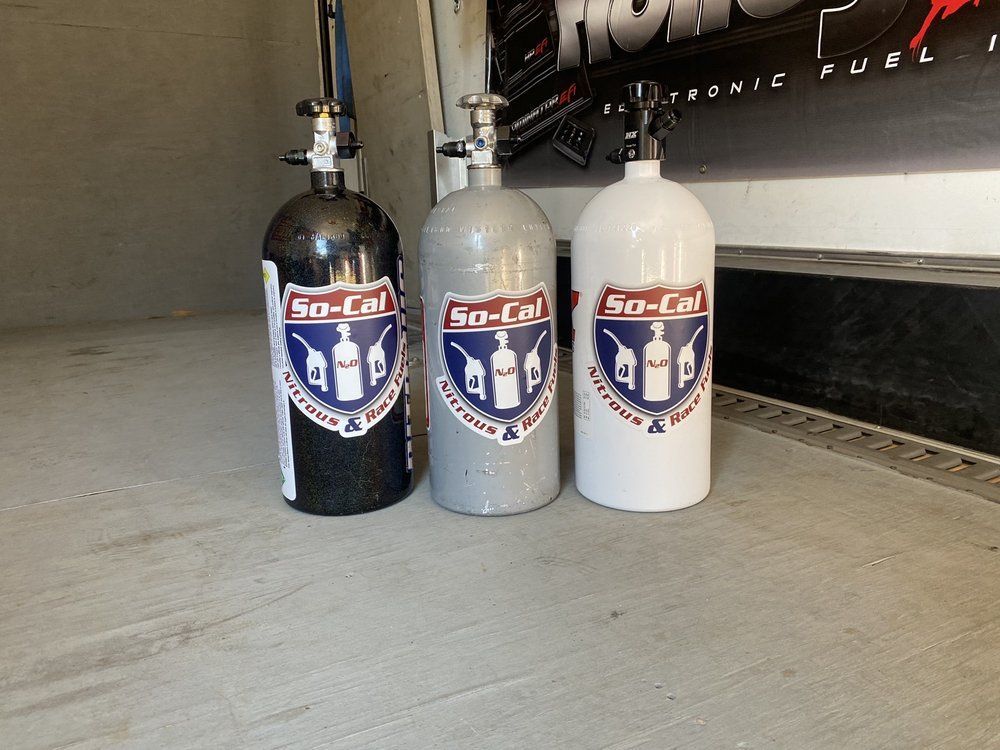
Regular inspection of nitrous lines, solenoids, and fuel injectors is essential. Leaks or clogged jets can compromise system performance and cause dangerous conditions. Experienced tuners recommend logging data during runs, monitoring air-fuel ratios, and inspecting spark plugs to ensure the engine remains in optimal condition. Proper storage of nitrous bottles in cool, secure environments also extends system life and safety.
Real-World Applications and Benefits
Drag Racing and Track Performance
Nitrous oxide is particularly popular in drag racing due to its ability to provide instant power. Cars with moderate engine builds can compete against more expensive turbocharged or supercharged setups without extensive internal modifications. For example, a well-tuned small-block V8 can gain 100–150 horsepower on a 60-foot drag strip launch, significantly improving quarter-mile times.
Cost-Effective Performance Upgrade
Compared to forced induction systems like turbochargers or superchargers, nitrous kits are relatively affordable and simpler to install. Enthusiasts can achieve high horsepower gains without major engine modifications, making nitrous an attractive option for budget-conscious racers.
Flexibility for Street Use
Nitrous systems allow drivers to maintain a street-friendly setup while having access to additional power when needed. Because nitrous is stored separately and activated on demand, it does not impose constant stress on the engine, unlike turbocharging, which continuously operates under boost. This flexibility makes it appealing for weekend racers who also drive their cars daily.
Challenges and Limitations
Engine Stress and Component Wear
Even when used correctly, nitrous increases combustion pressures and temperatures, which can accelerate wear on pistons, connecting rods, and valves. Engines must be in good condition and have components rated for higher loads. Regular maintenance and inspection are crucial to prevent long-term damage.
Legal and Regulatory Considerations
In some regions, nitrous oxide use is restricted or prohibited on public roads. Installing or using a nitrous system without considering local laws can result in fines or vehicle impoundment. Enthusiasts should always research regulations and use nitrous responsibly, primarily in controlled track environments.
Dependency and Tuning Complexity
Relying heavily on nitrous for performance without upgrading supporting systems can create dependency issues. For instance, a stock engine may perform adequately at normal levels but experience severe stress when the nitrous system is engaged. Comprehensive tuning, including fuel, ignition, and compression adjustments, is essential for sustained reliability.
Your Trusted Partner For High-Performance Nitrous Systems
Nitrous oxide is a powerful and versatile tool for enhancing engine performance, offering instant horsepower gains and cost-effective performance improvements when used responsibly. Understanding how nitrous works—through increased oxygen delivery and enhanced combustion efficiency—helps enthusiasts maximize its benefits while avoiding common pitfalls. Myths surrounding nitrous often exaggerate its risks, but with proper tuning, progressive systems, and careful monitoring, engines can safely handle significant power increases.
At Socal Nitrous And Race Fuels Inc, we leverage over 15
years of expertise to provide nitrous and racefuel solutions for enthusiasts and professionals alike. Based in Westminster, California, our team is dedicated to helping drivers unlock their engine’s potential safely and efficiently. From installation guidance to custom tuning, we ensure every system meets the highest performance and safety standards. Whether you’re new to nitrous or a seasoned racer, Socal Nitrous And Race Fuels Inc
is your trusted partner for reliable, high-performance solutions, empowering your vehicle to perform at its best on the track and beyond.